
 March 17, 2026
 Marie Kerrelle
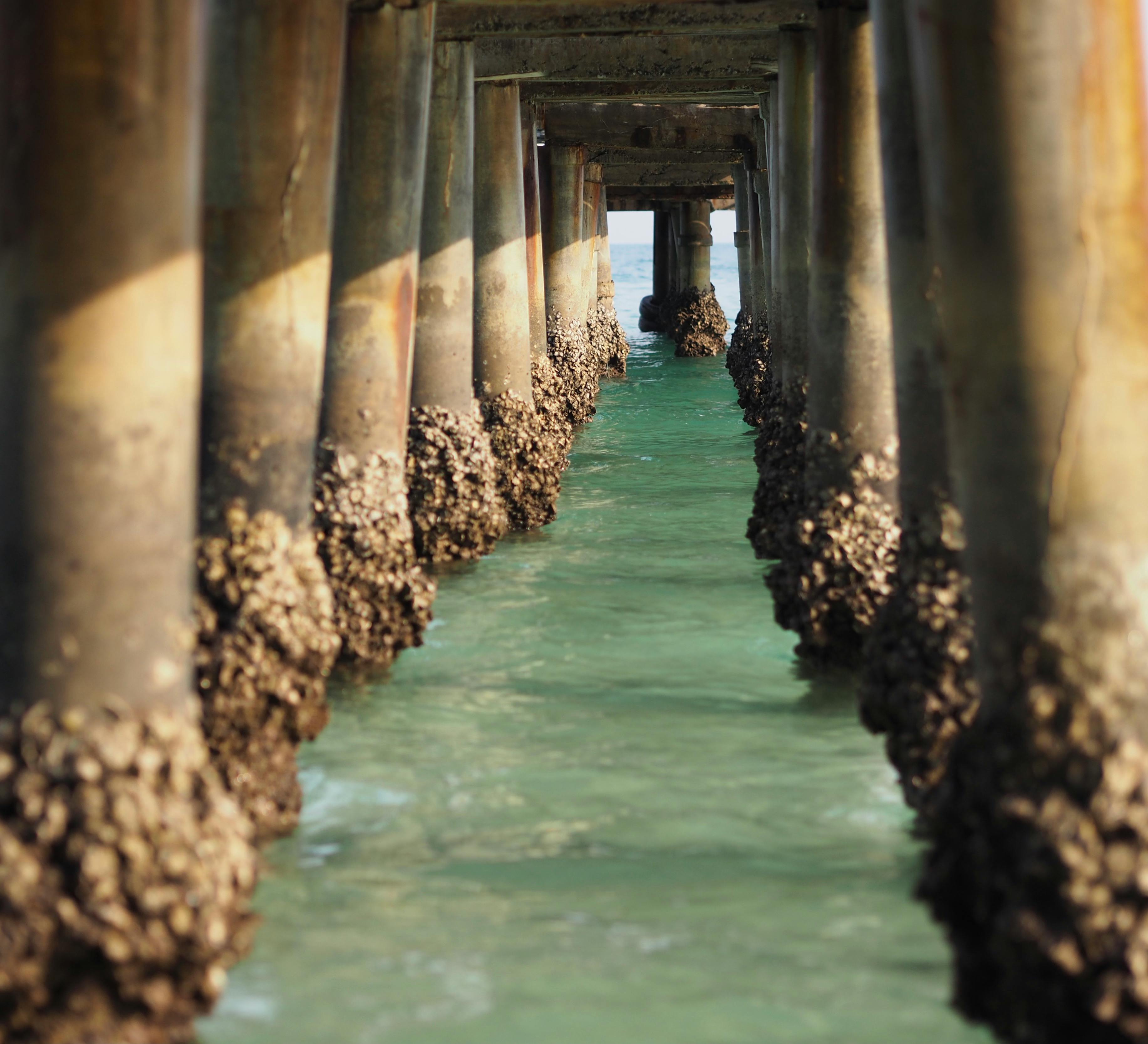
Marine environments are some of the most challenging operating conditions for engineered structures. Whether it is offshore oil rigs, bridge pylons, marina vessels, or subsea infrastructure, these are continuously exposed to biological growth that can significantly impact performance, safety, and operational costs.
This phenomenon - known as biofouling - has been a persistent issue for maritime industries for centuries. Today, new technologies such as bubble curtain systems powered by oil free compressed air are emerging as an effective and environmentally responsible method to deter biofouling before it becomes a major problem.
Biofouling refers to the accumulation of microorganisms, alga, and plants on surfaces submerged in water. These organisms typically invade structures in stages, starting with microbial biofilms before progressing to larger organisms such as barnacles and mussels.
Any artificial surface in the marine environment is susceptible, including:
Because many of these structures remain stationary for prolonged periods, they provide a thriving environment for these marine organisms to attach and grow.
Marine growth adds significant mass to offshore structures. Studies show that 5–10 cm of marine growth can increase the structural load of an offshore platform by roughly 5.5–11.5%, placing additional stress on foundations and support systems. For semi-permanent installations such as oil rigs or bridge pylons, this extra load can increase fatigue on structural components affecting hydrodynamic performance.
Biofouling can result in the growth of biofilms which can create oxygen-depleted zones on metal surfaces, encouraging electrochemical reactions that degrade materials. Over time, this can lead to reduced structural integrity, increased maintenance and cleaning costs, and greater risk of unplanned shutdowns.
For vessels and marina boats, biofouling increases surface roughness and hydrodynamic drag. This can reduce vessel speed by up to 10% and increase fuel consumption by as much as 40%. In addition to increased fuel costs, biofouling leads to higher greenhouse gas emissions, increased operating expenses, and more frequent hull cleaning.
Traditional antifouling methods often rely on coatings containing biocides. While effective, these coatings may release chemicals into the marine environment and require periodic reapplication.
An increasingly attractive alternative is the use of bubble curtains.
Bubble curtains work by releasing a continuous stream of air bubbles along submerged surfaces. This creates a dynamic barrier that reduces the ability of marine organisms to settle and attach to structures.
Research has shown that continuous bubble streams can significantly reduce the accumulation of organisms on submerged surfaces, making them a promising non-toxic antifouling solution.
The effectiveness and environmental safety of a bubble curtain system depends heavily on the continuous quality of the air used to generate the bubbles. This is where oil free compressed air technology plays a critical role. Oil free compressors deliver Class-0 air, helping bubble curtain systems remain environmentally responsible.
As offshore industries face increasing pressure to reduce environmental impact, non-chemical antifouling technologies powered by clean compressed air offer a compelling solution. Oil free compressed air systems enable operators to reduce reliance on toxic antifouling coatings and support environmentally sustainable operations.
Biofouling will remain a persistent challenge for offshore and coastal infrastructures. However, advances in preventative technologies such as bubble curtain systems - supported by oil free compressed air – offer a promising path forward.
As offshore industries continue to evolve, integrating clean air technology with innovative antifouling strategies may become a key component of future marine asset management.
References:
The Effect of Marine Growth on the Performance of Fixed Offshore Platforms in the North Sea (https://onepetro.org/OTCONF/proceedings-abstract/79OTC/79OTC/OTC-3386-MS/48415)
ANTIFOULING BIOCIDES: A key contributor to sustainable shipping (https://indd.adobe.com/view/8b0ba160-ff5b-4125-87b4-baa472b85ae6)
Use the checkboxes to select the types of cookies you want to accept, then press the “Save Settings” button. View our Privacy Policy.